|
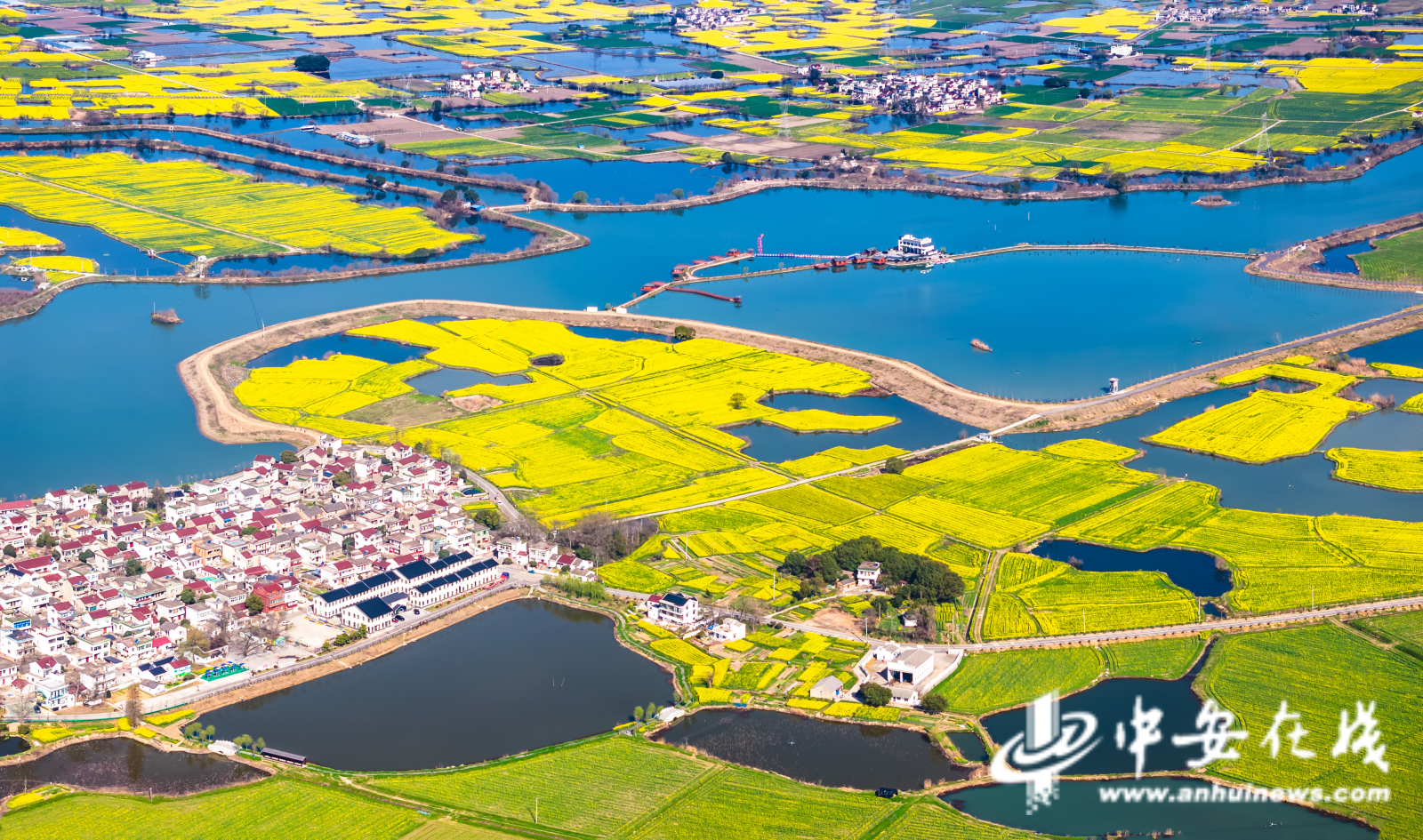
Located in Fengyang county, East China’s Anhui province, the site of the Ming Dynasty (1368-1644) Zhongdu (literally, the central capital) has been shortlisted in the final evaluation list of China’s top ten new archaeological discoveries of 2021. Zhongdu was built by Zhu Yuanzhang, who was once a poor peasant but later built up his own empire. He decided to make his hometown Fengyang the national capital soon after he toppled the Yuan Dynasty (1271-1368). The construction of Zhongdu began in 1369, one year after the founding of the Ming Dynasty, and ended in 1375. What was built in Zhongdu included imperial palaces, temples, military facilities, public facilities and mausoleums. They represented the then highest level. Zhongdu was more luxury than the imperial cities in Nanjing and Beijing. It is widely recognized as one of the most magnificent capitals in the history of China. Zhongdu was designated in 1982 as a key site under national-level protection. The excavation of an ancient bridge in the imperial city appeared on the final evaluation list of the top ten new archaeological discoveries for 2018.
| 





 Related News