|
As a modern trading port along the Yangtze River and the leading hub among the "Four Great Rice Markets," Wuhu has witnessed the collision and fusion of traditional Huizhou culture with foreign Western influences, imprinting the city with a distinctive character. A collection of century-old buildings blending Chinese and Western architectural styles still stand today, serving as vital vessels of the city's memory. 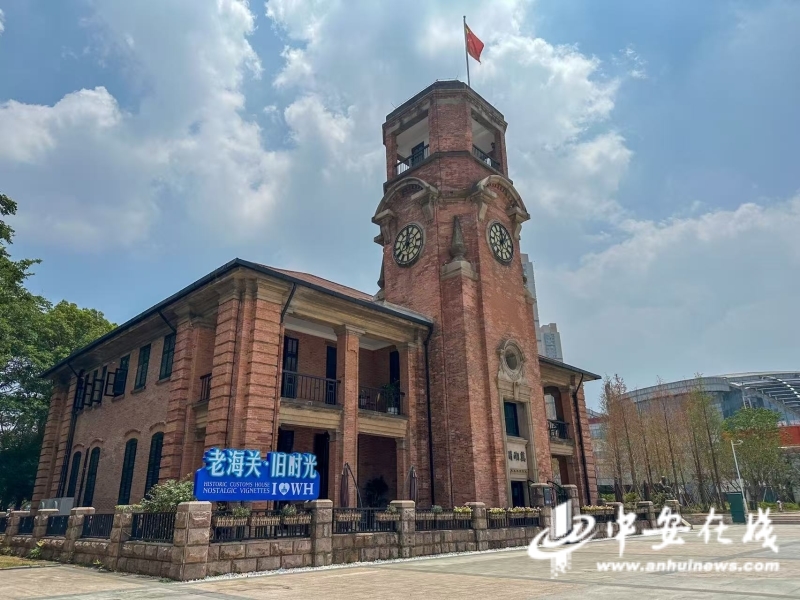
"Preserving the form comes before conveying the spirit." Since 2012, Wuhu has launched the "Revitalization of Century-Old Historic Buildings" initiative. Through systematic preservation and innovative revitalization strategies, the city has breathed new life into these ancient structures, reintegrating them into the urban fabric and the daily lives of its residents. This approach has achieved a harmonious coexistence of cultural heritage and modern urban development, crafting a unique cultural identity for the city. Strolling through the Customs Clock Tower Square in Jinghu District, one encounters a 19.55-meter-tall clock tower quietly overlooking the Yangtze River. The building features elegant colonnades and a dignified hipped roof, standing proudly by the river in neoclassical grandeur like a time-worn elder. According to the Wuhu Cultural and Tourism Department, the old Wuhu Customs House is a representative example of Western-style architecture in the city. In March 2023, Wuhu launched a comprehensive restoration project for the building, marking it as one of the iconic structures in the city's first batch of the "Revitalization of Century-Old Historic Buildings" initiative. According to the Wuhu Housing and Urban-Rural Development Department, in 2012, the city launched the "Revitalization of Century-Old Historic Buildings" initiative, aiming to identify, catalog, and systematically protect, restore, develop, and utilize architectural relics over a hundred years old. 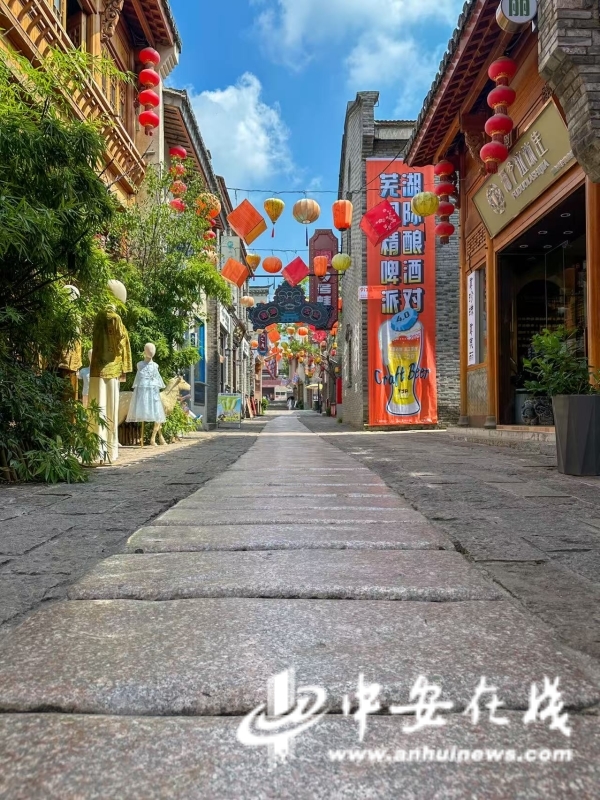
As a millennia-old city, Wuhu has also preserved a wealth of traditional architecture. How the restored Wuhu Ancient City coexists and prospers alongside its residents, integrating organically into urban development and daily life, is a dynamic process the local community continues to explore. "One of the defining features of the ancient city is that it's completely open to the public—no entrance fee," said Yao Xinyue, an employee of Wuhu Ancient City. "Located in a prime downtown residential area, keeping it free not only provides citizens with a convenient leisure destination but also helps share the city's history with visitors, steadily shaping it into an urban 'living room.'" According to Yao, the ancient city has already attracted over 300 businesses, with its commercial cluster effect growing increasingly prominent. In the first half of this year alone, it welcomed 5.8 million visitors, and annual foot traffic is projected to exceed 10 million, becoming a new landmark for Wuhu's integrated cultural, tourism, and commercial development. 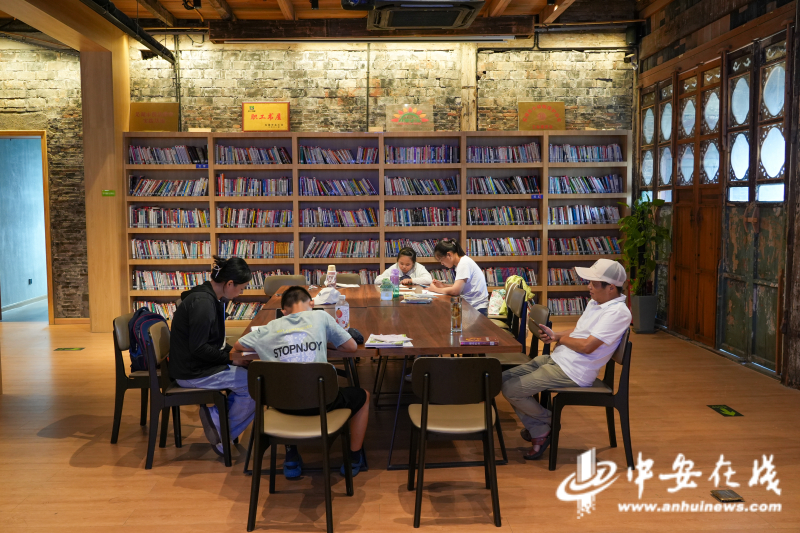
The revitalization of these historic buildings has injected new momentum into urban development. Adhering to the development philosophy of "diverse coexistence and integrated innovation," Wuhu has breathed new life into its precious historical and cultural heritage, fueling high-quality urban growth. Wuhu played a significant role in modern industrial development, leaving behind a wealth of industrial sites that have now become key resources for adaptive reuse. The heritage of a city's cultural legacy is not confined to yellowed archives or black-and-white photographs—it thrives in every building, courtyard, street, and alley, hidden in the crevices of brick and tile. These historic structures keep the past alive, allowing residents and visitors alike to encounter living history around every corner and sense the pulse of cultural heritage amid the march of progress. "The essence of urban renewal lies in fostering a dialogue between history and modernity, ensuring culture remains an enduring driver of a city's development," said an official from the Wuhu Culture and Tourism Bureau.
Source: anhuinews.com
|



 Related News


