|
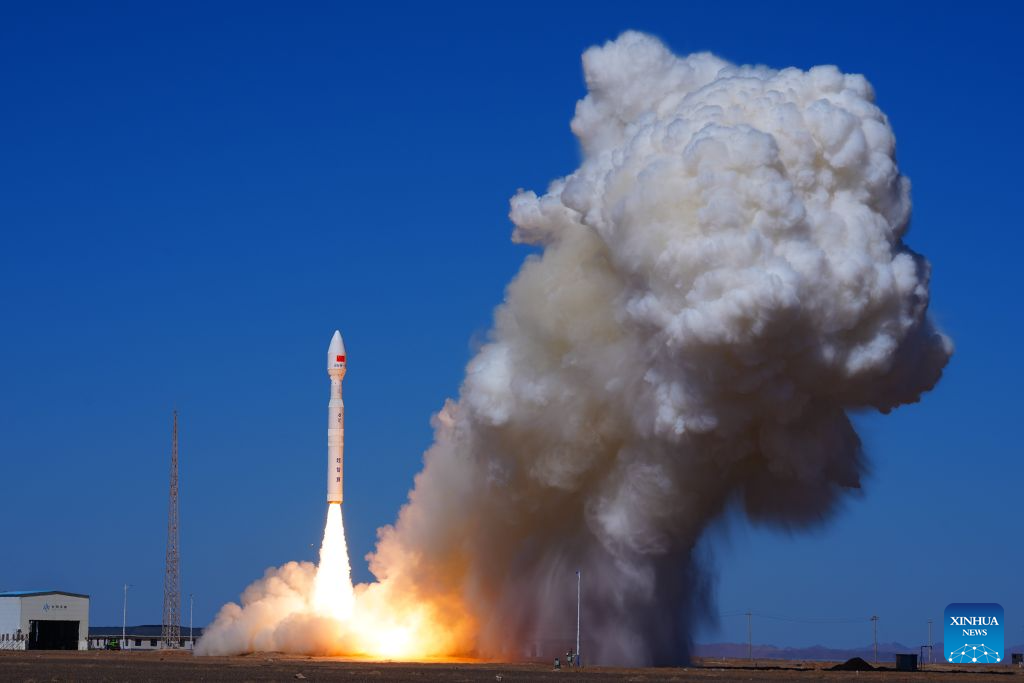
A Lijian-1 Y18 carrier rocket carrying nine satellites blasts off from the Dongfeng commercial space innovation pilot zone in northwest China, Sept. 20, 2026. China successfully launched nine satellites into space from the Dongfeng commercial space innovation pilot zone in northwest China at 12:03 p.m. Sunday (Beijing Time). The satellites were carried by a Lijian-1 Y18 carrier rocket and have entered their planned orbits. The launch mission was a complete success. (Photo by Wang Jiangbo/Xinhua) JIUQUAN, Sept. 20 (Xinhua) -- China successfully launched nine satellites into space from the Dongfeng commercial space innovation pilot zone in northwest China at 12:03 p.m. Sunday (Beijing Time). The satellites were carried by a Lijian-1 Y18 carrier rocket and have entered their planned orbits. They will mainly be used for space environment monitoring, disaster prevention and mitigation and scientific experiments. The launch mission was a complete success. This was the 17th flight mission conducted by the Lijian carrier rocket series, which were developed by commercial spaceflight company CAS Space. The Lijian series have so far successfully sent one spacecraft and 121 satellites into space, with a total payload mass in orbit exceeding 21 tonnes, according to the company. The launch schedule for Lijian-1 carrier rocket has been set through the second half of 2027. CAS Space is China's commercial space company that has launched the largest number of satellites and the heaviest payloads in the country's private space sector, the Science and Technology Daily reported Sunday. ■ 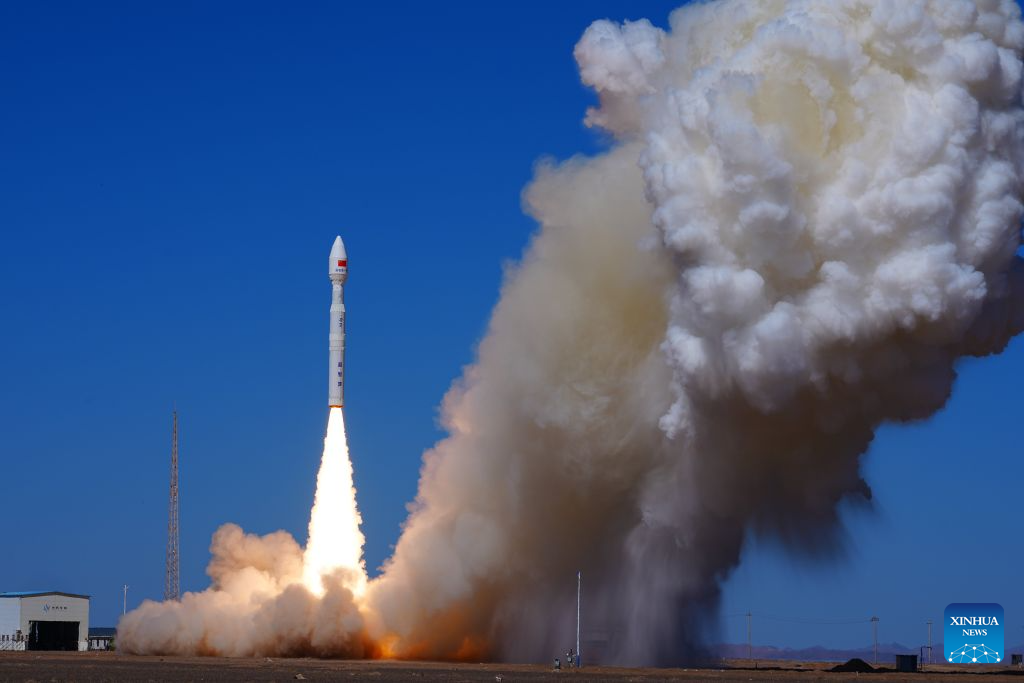
A Lijian-1 Y18 carrier rocket carrying nine satellites blasts off from the Dongfeng commercial space innovation pilot zone in northwest China, Sept. 20, 2026. China successfully launched nine satellites into space from the Dongfeng commercial space innovation pilot zone in northwest China at 12:03 p.m. Sunday (Beijing Time). The satellites were carried by a Lijian-1 Y18 carrier rocket and have entered their planned orbits. The launch mission was a complete success. (Photo by Wang Jiangbo/Xinhua) 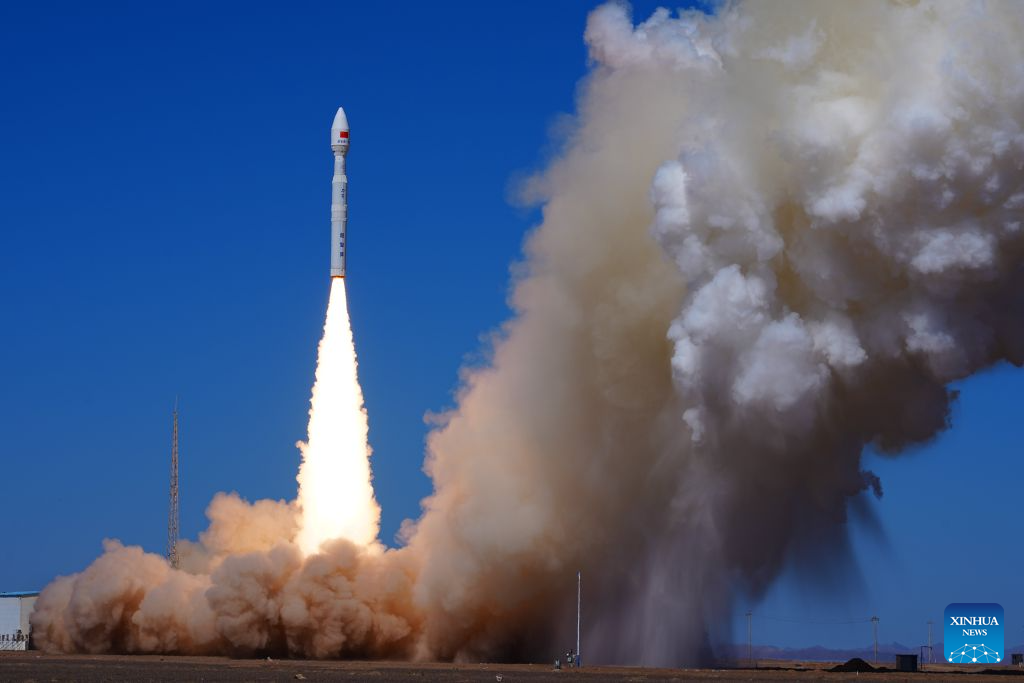
A Lijian-1 Y18 carrier rocket carrying nine satellites blasts off from the Dongfeng commercial space innovation pilot zone in northwest China, Sept. 20, 2026. China successfully launched nine satellites into space from the Dongfeng commercial space innovation pilot zone in northwest China at 12:03 p.m. Sunday (Beijing Time). The satellites were carried by a Lijian-1 Y18 carrier rocket and have entered their planned orbits. The launch mission was a complete success. (Photo by Wang Jiangbo/Xinhua) 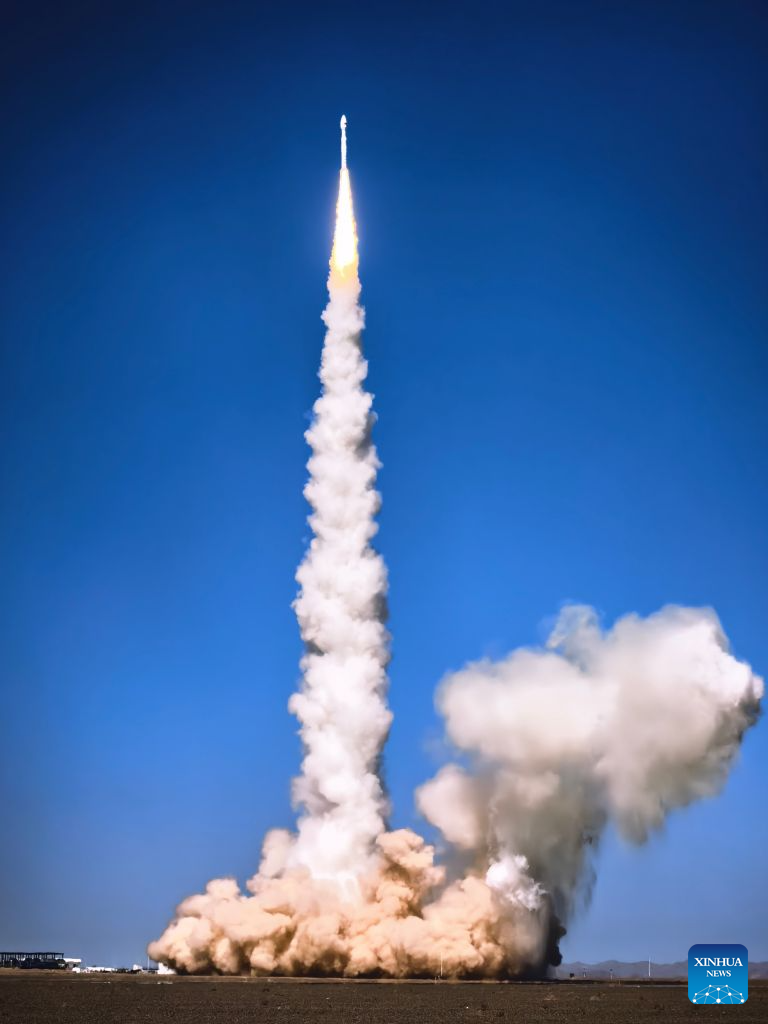
A Lijian-1 Y18 carrier rocket carrying nine satellites blasts off from the Dongfeng commercial space innovation pilot zone in northwest China, Sept. 20, 2026. China successfully launched nine satellites into space from the Dongfeng commercial space innovation pilot zone in northwest China at 12:03 p.m. Sunday (Beijing Time). The satellites were carried by a Lijian-1 Y18 carrier rocket and have entered their planned orbits. The launch mission was a complete success. (Photo by Wang Jiangbo/Xinhua) 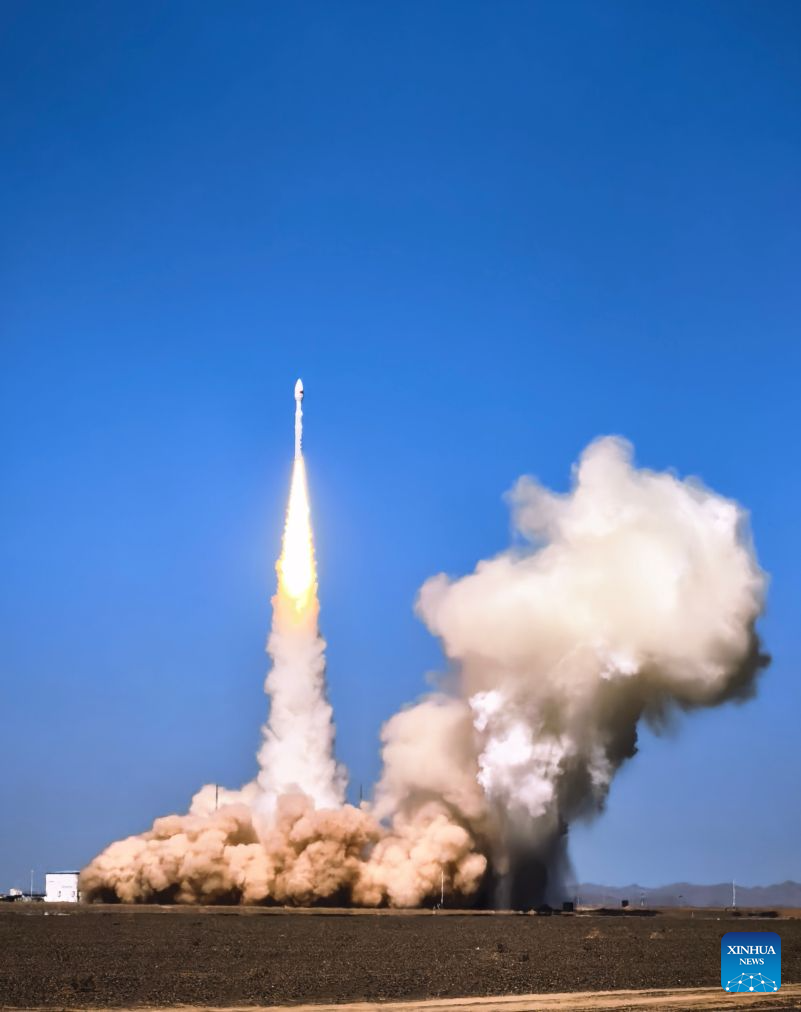
A Lijian-1 Y18 carrier rocket carrying nine satellites blasts off from the Dongfeng commercial space innovation pilot zone in northwest China, Sept. 20, 2026. China successfully launched nine satellites into space from the Dongfeng commercial space innovation pilot zone in northwest China at 12:03 p.m. Sunday (Beijing Time). The satellites were carried by a Lijian-1 Y18 carrier rocket and have entered their planned orbits. The launch mission was a complete success. (Photo by Wang Jiangbo/Xinhua)
|



 Related News